
Twin Cities Housing Market 2026: Should You Buy, Sell, or Wait?
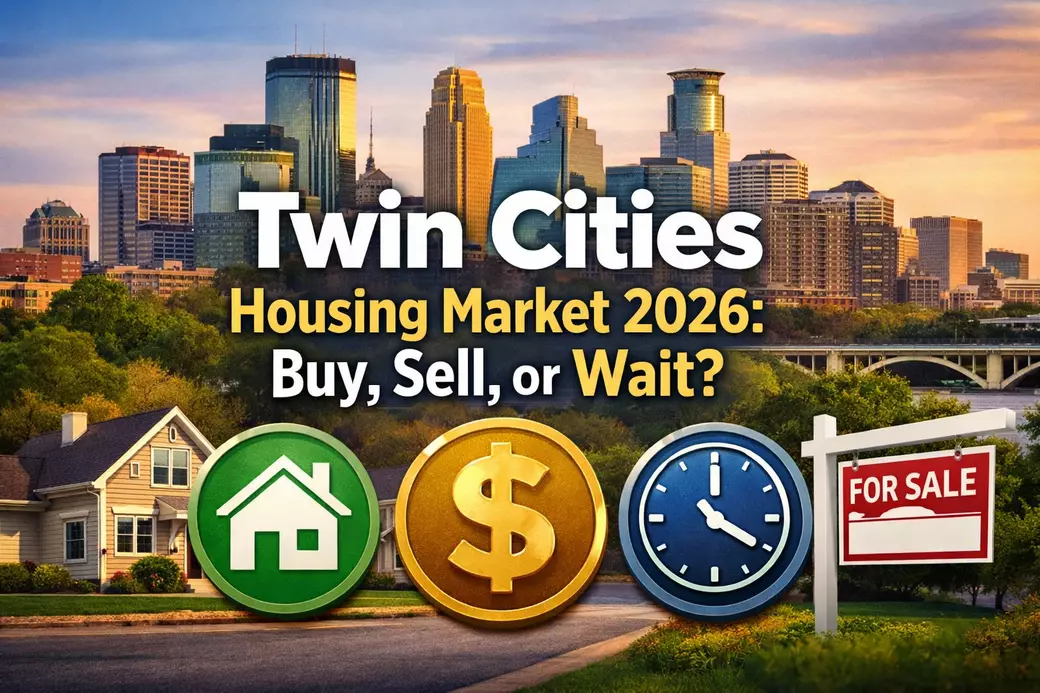
Twin Cities Housing Market 2026: Should You Buy, Sell, or Wait?
Wondering whether you should buy, sell, or wait in the Twin Cities housing market as we head into 2026?
You’re not alone — and the right answer depends on both the market and your personal situation.
The Twin Cities housing market continues to evolve. Interest rates have shifted, inventory remains tight, and many homeowners are weighing lifestyle changes like downsizing, upsizing, or relocating. This guide breaks down what’s happening locally and how to decide your next move with confidence.
A Snapshot of the Twin Cities Housing Market Heading Into 2026
While no one can predict the market perfectly, recent Twin Cities data gives us helpful direction.
-
Housing inventory remains below normal.
A balanced market typically has about 5–6 months of inventory, yet the Twin Cities has been hovering closer to 2–3 months, keeping upward pressure on prices. -
Home prices have stayed resilient.
Despite rate changes, Twin Cities home values have continued to trend upward over time due to strong demand and limited supply — especially in well-located suburbs and established neighborhoods. -
Mortgage rates are lower than their recent peak but higher than historic lows.
Compared to 2023 highs, rates have come down, improving buyer affordability slightly — though they remain above the ultra-low levels many homeowners locked in years ago.
Bottom line: This is not a boom-and-bust market. It’s a tight, competitive market that rewards good timing and smart planning.
What Interest Rates Mean for Buyers and Sellers
For Buyers
Mortgage rates directly impact monthly payments. Even a 1% change in rate can mean hundreds of dollars per month in purchasing power.
What to consider:
-
Buying sooner may allow you to refinance later if rates drop.
-
Waiting for “perfect” rates can mean paying more for the home itself if prices rise.
-
Pre-approval is essential in a competitive Twin Cities market.
For Sellers
Higher rates can narrow the buyer pool — but serious buyers are still active, especially for well-priced, move-in-ready homes.
What helps sellers succeed:
-
Strategic pricing based on current data (not last year’s market)
-
Strong presentation: staging, photos, and prep matter more than ever
-
Understanding buyer affordability in your specific price range
Supply and Demand: Why Inventory Still Matters
The Twin Cities continues to face a housing shortage, particularly in:
-
Entry-level homes
-
One-level living and townhomes
-
Well-maintained homes in established neighborhoods
What This Means for Sellers
-
Less competition often leads to stronger offers
-
Homes that are prepared and priced correctly still sell quickly
-
Many sellers are negotiating favorable terms, not just price
What This Means for Buyers
-
You need a plan — and flexibility
-
Some homes still receive multiple offers
-
Emerging neighborhoods or different home styles can offer better value
Lifestyle Shifts Driving Real Estate Decisions
Beyond numbers, lifestyle plays a huge role in 2026 decisions.
-
Remote and hybrid work continue to influence where people choose to live
-
Downsizing homeowners are looking for simplicity, one-level living, and lower maintenance
-
Upsizers are focused on long-term fit rather than short-term trends
-
Relocators want walkability, amenities, or proximity to family
The “right” move isn’t always about timing the market — it’s about timing your life.
Should You Buy, Sell, or Wait?
Buying in 2026 Makes Sense If:
-
You plan to stay put for several years
-
You’re financially prepared and pre-approved
-
You’ve found a home that fits your lifestyle and long-term needs
Tips for buyers:
-
Know your must-haves vs. nice-to-haves
-
Be ready to act when the right home appears
-
Focus on value, not just interest rates
Selling in 2026 Makes Sense If:
-
You’ve built significant equity
-
Your home no longer fits your lifestyle
-
You want to take advantage of low inventory
Tips for sellers:
-
Price based on current market data, not headlines
-
Small updates and staging can deliver strong ROI
-
Strategy matters more than ever — especially in a shifting market
Waiting May Be Right If:
-
You’re unsure about your next step
-
Your financial picture is still changing
-
You want to improve your home before selling
If you wait:
-
Monitor local pricing and inventory (not national headlines)
-
Revisit your plan every 6–12 months
-
Use the time to build clarity, not just hope for better conditions
Buying and Selling at the Same Time: What to Know
Many Twin Cities homeowners are navigating both transactions at once — and it can be done smoothly with planning.
Key strategies include:
-
Sale-to-purchase coordination
-
Contingencies that protect your move
-
Bridge solutions or short-term housing options when needed
Understanding your numbers first makes everything else easier.
Frequently Asked Questions
Are home prices expected to drop in the Twin Cities?
Most experts expect prices to remain relatively stable due to ongoing inventory shortages, though appreciation may be slower than in peak years.
Are some Twin Cities areas growing faster than others?
Yes. Neighborhoods with walkability, access to transit, and nearby amenities tend to see stronger demand.
Is it better to wait for rates to drop?
Waiting for rates alone can be risky. Home prices and competition often rise when rates fall.
Final Thoughts
The Twin Cities housing market in 2026 isn’t about guessing — it’s about strategy. Whether you decide to buy, sell, or wait, the best move is one that aligns with your financial goals, lifestyle needs, and long-term plans.
Contact the Sandy Erickson Real Estate Team today to schedule your free, no-obligation Home Move Plan consultation and we can come up with a game plan together!
Categories
- All Blogs 71
- Appraisal 1
- Buyer's Specialist 6
- Buying a Home 26
- Featured Area 1
- Foreclosures and Short Sales 1
- Home Buyer 31
- Home Seller 32
- Homeowner Association 3
- Listing Specialist 9
- Local Events 2
- Market Update 17
- Mortgage Rates 5
- Real Estate Advice 34
- Recession 1
- Selling a Home 24
- Twin Cities Minnesota 49
- Twin Cities Real Estate 40
- Veteran 1
- When to Buy 14
- When to Sell 12
Recent Posts







LEAVE A REPLY

Realtor & Team Leader License ID: 20359558
+1(651) 269-3487 | sandy@sandyerickson.com